
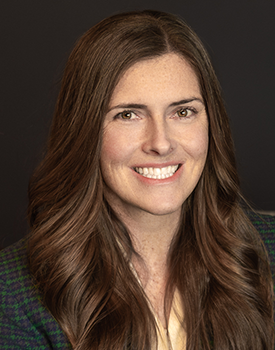
An associate advisor at Punch & Associates, Maggie Green draws on her extensive legal background — including estate planning — to help clients navigate the world of wealth management. Before joining Punch, Maggie owned a law firm and cofounded a legal blog. She and her family live in Edina and are members of Our Lady of Grace Catholic Church. Below, Maggie explores why many people delay estate planning and shares practical tips to beat procrastination and move toward securing your legacy.
No matter the size of your estate, a thoughtful estate plan can have a meaningful impact on your loved ones. These documents serve as an epilogue to your life story — a concluding passage shaped by reflection of faith, values, and legacy.
This kind of introspection is sometimes difficult. We often procrastinate to avoid thinking about incapacity and death. One way to move forward is to think of the process as an opportunity to share and tell your story. Finding the right person to listen and provide encouragement can lead to a personalized plan that reflects your values.
Getting Started
A gentle nudge from a loved one often helps start the estate planning process. And estate planning doesn’t have to be morbid. Think of it as a celebration of life, values, and legacy. Here are a few questions to spark reflection:
- How do you spend meaningful time with loved ones?
- What aspects of your faith bring you joy?
- What missions, ministries, and social causes do you care about deeply — and would you like to support them financially?
- Do you have personal items tied to family traditions you want to pass on to your loved ones?
- Is there a tradition you’d like to start?
Technical Tip
As you remember organizations that have impacted you in this way, consider how you want to include them in your estate plan. Your attorney can help facilitate testamentary gifts or donor advised funds. In my law practice, I loved the donor advised fund as a giving tool because it allowed families to strengthen connections or build new traditions as they explored causes they could support together.
Unlike individual heirs, charities don’t pay income tax. If you leave part (or all) of a tax-qualified retirement account to a nonprofit, every dollar goes directly to the cause. This makes retirement accounts one of the most tax-efficient assets to donate.
Tools that Make Gifting Easy
Donor Advised Fund (DAF) – lets you set aside charitable assets during life or at death, creating a lasting structure for generosity.
Bequest – allows you to allocate a specific amount or percentage of your estate to the institutions that shaped your faith and values.
Beneficiary Designations – by naming a charity on accounts such as retirement plans or life insurance policies, these designations can simplify the process for you today while ensuring your future gift directly supports the missions you care about.
Next Steps
If getting started is difficult, consider breaking the process into smaller, more achievable tasks. First, schedule a meeting with an attorney, then gather your important documents, and last, make a list of your assets and the people and organizations you wish to support. Pairing the difficult task with something enjoyable may help. Give yourself a small reward for each task you complete — schedule your favorite activity or meal to enjoy after each meeting with your attorney.
If you’re creating an estate plan for the first time or refining an existing one, an attorney can help guide the process with clarity and care. Don’t have one yet? Asking within your parish or circle of family and friends is a great way to find someone you trust. And whenever you’re discerning the charitable dimension of your legacy, the Catholic Community Foundation stands ready to walk with you as a faithful resource and steward.
This information is not accounting, legal, or tax advice. Please see Punch & Associates’ Form ADV Part 2A and Form CRS at https://punchinvest.com/privateclients/disclosures for additional information about Punch & Associates’s business practices and conflicts identified. All investments are subject to the risk of loss.